



Many traditional and modern nutritional systems recognize the role of sesame seeds in digestion, endocrine function, and reproductive health.
1. Sesame seeds – a small, familiar food but rich in health benefits.
- 1. Sesame seeds – a small, familiar food but rich in health benefits.
- 2. Nutritional value of sesame seeds
- 3. Benefits of sesame seeds
- 3.1 Sesame seeds are good for digestion.
- 3.2 Good for women's reproductive health
- 3.3 Sesame seeds and male reproductive health
- 4. How to incorporate sesame seeds into your daily diet.
- 5. Things to note when eating sesame seeds
Sesame seeds, or sesame, are tiny seeds that are commonly found in the cuisines of many countries in Asia, the Middle East, and Africa. From white sesame seeds and black sesame seeds to sesame oil, this food not only enhances the flavor of dishes but also provides many important nutrients for the body.
In the context of modern lifestyles lacking moderation, with diets high in refined foods and low in fiber, problems such as digestive disorders, hormonal imbalances, and declining fertility are becoming increasingly common. Supplementing with natural, nutrient-rich foods like sesame seeds is considered one of the simplest and easiest ways to support health.
2. Nutritional value of sesame seeds
According to nutritional literature, sesame seeds are a rich source of:
- Unsaturated fats – beneficial for cardiovascular and endocrine health.
- Fiber – supports the functioning of the digestive system.
- Minerals such as calcium, iron, and zinc are essential for bones, blood, and reproductive function.
- Natural antioxidant compounds – help protect cells from the effects of oxidative stress…
Thanks to this component, sesame seeds are considered a food that can nourish the body from within, especially when consumed regularly in reasonable amounts.
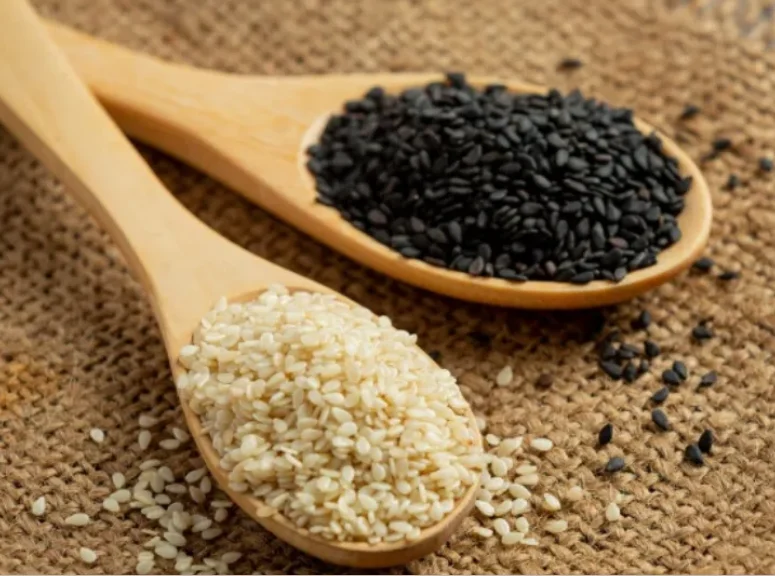
Sesame seeds are a familiar food in daily meals, rich in healthy fats, minerals, and beneficial bioactive compounds.
3. Benefits of sesame seeds
3.1 Sesame seeds are good for digestion.
A healthy digestive system plays a central role in the absorption and utilization of nutrients. Sesame seeds contain fiber and natural oils that help support bowel movements, reduce slow digestion and bloating, and help food be absorbed more effectively.
In traditional medicine, sesame seeds are considered a "warming" food, suitable for use in cold weather or when the body is prone to cold stomachs. However, if consumed in excessive amounts, the oil and fat content in sesame seeds can cause indigestion, especially for people with sensitive digestive systems.
3.2 Good for women's reproductive health
Sesame seeds are often mentioned in diets that support women's health, especially for women experiencing hormonal and menstrual cycle issues. Thanks to their healthy fats and minerals, sesame seeds are believed to help balance hormones, improve blood circulation, and facilitate ovulation.
In Indian Ayurvedic medicine, sesame seeds are used for women with irregular menstruation or difficulty conceiving. From a modern perspective, these benefits may be related to their ability to provide energy, fats, and micronutrients essential for endocrine and reproductive function.
3.3 Sesame seeds and male reproductive health
Not only beneficial for women, sesame seeds are also highly valued for men's reproductive health. Minerals such as zinc, iron, and calcium in sesame seeds play an important role in maintaining sperm quality, supporting sperm motility, and contributing to increased vitality.
Traditional medicine suggests that consuming sesame seeds helps to strengthen the body, support reproductive function, and improve overall health. This effect can be explained by its energy content and the micronutrients essential for male reproductive health.
4. How to incorporate sesame seeds into your daily diet.
Sesame seeds can be used in a variety of ways in meals :
- Eat lightly roasted sesame seeds, possibly with palm sugar.
- Sprinkle sesame seeds on salads, porridge, or stir-fried dishes.
- Use sesame oil in cooking to enhance flavor and add healthy fats.
- Women are often advised to consume sesame seeds after their menstrual period to aid in body recovery…
These uses are both suitable for traditional cuisine and easy to apply in modern life.
5. Things to note when eating sesame seeds
Although sesame seeds are a healthy food, they still need to be used correctly:
- You shouldn't eat too much in one day.
- People with sensitive digestive systems should start with small amounts.
- Certain health conditions require consultation with a nutritionist or healthcare professional…
Sesame seeds are a familiar food but offer many health benefits, especially for the digestive, endocrine, and reproductive systems in both men and women. When used in moderation and correctly, sesame seeds can become a useful part of a healthy daily diet.
Note: This article is for informational purposes only and does not replace professional medical advice.
Readers are invited to read more: