


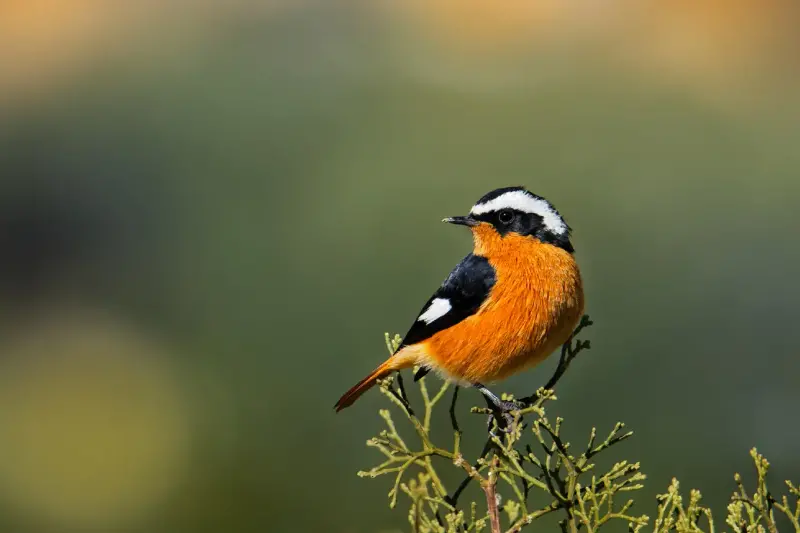
on any given saturday morning, a walk through a city park or along a tree-lined boulevard might reveal something a little unexpected. look closely and you’ll notice people with binoculars peering up at electric wires, shuffling quietly along trails, flipping through small field guides, or simply listening with intent. urban birdwatching, once considered the pastime of rural wanderers or forest explorers, is experiencing a real renaissance in america’s concrete jungles, with city dwellers flocking to local parks and green spaces in search of everything from robins to red-tailed hawks. as it turns out, there’s more to this modern urban trend than meets the eye—or ear.
while outdoor hobbies have always offered a break from daily routines, birdwatching introduces a surprising element of mindfulness, intrigue, and discovery, right in the heart of the city. urban birdwatching isn’t just about ticking species off a checklist. it’s about connecting with nature in unexpected ways, even amidst honking taxis and towering skyscrapers. but what’s really behind this trend, and why are so many people across age groups and backgrounds adopting it as their preferred mindful weekend activity?
scientists and psychologists have long pointed out that nature exposure reduces stress, boosts mood, and improves mental well-being. now, emerging research suggests that noticing birds in particular amplifies these benefits. a 2022 study published in the journal “scientific reports” found that people who observed birds, even briefly, reported significantly higher levels of happiness and positive emotions compared to those who didn’t. while the reasons are still being studied, experts suggest that birds, with their colors, songs, and constant movement, stimulate our attention in a calming, restorative way. birdwatching, by necessity, asks us to slow down, be still, and engage our senses—qualities at the heart of mindfulness practices.
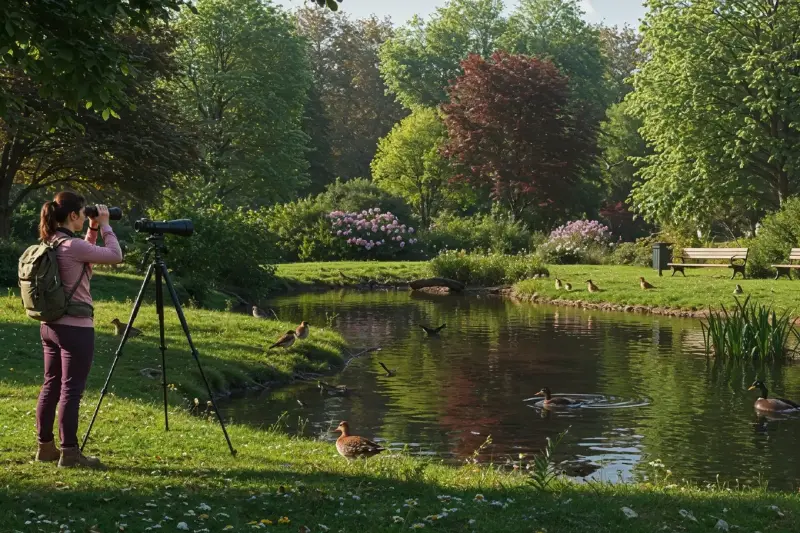
for many city dwellers, traditional escapes like hiking remote mountain trails or camping in faraway forests aren’t always possible. urban birdwatching flips this script, showing that meaningful experiences with wildlife don’t require travel outside city limits. in fact, north american cities are home to hundreds of bird species, some year-round residents and others dazzling visitors during migration seasons. central park in new york, for instance, records over 280 bird species each year, making it a world-class birding hotspot despite its urban setting. los angeles, boston, chicago, and atlanta all regularly attract vibrant birdlife—including hummingbirds, woodpeckers, hawks, and even rare warblers.
another compelling reason for the hobby’s new popularity is its remarkable accessibility. birdwatching doesn’t demand pricey equipment or advanced expertise. beginners can start with nothing more than a keen eye, a pair of inexpensive binoculars, or a smartphone with an identification app. an increasing number of parks offer free bird walks or workshops, making it easy for curious newcomers to join in. apps like merlin bird id and ebird from the cornell lab of ornithology have brought bird identification firmly into the twenty-first century, allowing users to identify birds by color, song, or silhouette and then log their sightings for others to see.
urban birdwatching also fosters a sense of community not always found in solo outdoor pursuits. many large cities now boast active birding groups and clubs that host regular meetups, bird counts, and social events geared to all ages and skill levels. these gatherings provide social connection, an opportunity to learn from more experienced birders, and a collective sense of purpose—especially when participants document migratory patterns or contribute to citizen science initiatives. even solo birdwatchers frequently share their discoveries on social media platforms, expanding the community beyond parks and into the digital space.
contrary to what some may assume, cities can actually be dynamic environments for birds, providing micro-habitats through parks, backyards, rooftop gardens, and even roadside plantings. many birds have proved remarkably adaptable, finding innovative ways to thrive where humans live. for example, the peregrine falcon—a species once threatened with extinction—now nests on skyscraper ledges in several us cities, hunting pigeons and surprising office workers who spot them out their windows. similarly, the small, energetic black-capped chickadee seems perfectly at home on suburban feeders and urban shrubbery. these urban success stories offer fascinating glimpses into the ways wildlife navigates our built environments, sparking curiosity and appreciation.
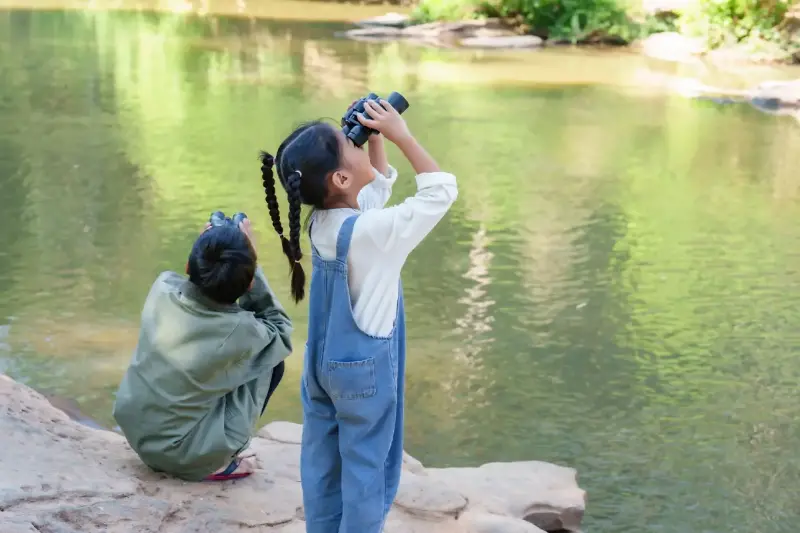
the slow, attentive practice of birdwatching also cultivates skills that may go unnoticed at first. seasoned birders will tell you it sharpens observation, patience, and humility. learning to notice the flicker of movement in a distant tree or to distinguish the subtle music of a house finch from a mockingbird requires focus and practice, turning ordinary walks into treasure hunts. for many, this ongoing sense of discovery is the hobby’s greatest draw. there’s always something new to see, from tiny migratory warblers stopping over for a day, to majestic herons alighting in city ponds.
urban birdwatching further encourages environmental stewardship. when people notice and appreciate local fauna, they’re more likely to support efforts that safeguard green spaces and advocate for bird-friendly policies, such as reducing window collisions or planting native trees and shrubs. children especially can benefit from early exposure to birds, cultivating curiosity that can last a lifetime.
for those who crave a mindful reset but don’t have time for a countryside retreat, urban birdwatching offers a surprisingly engaging solution. it invites people of all backgrounds into the joy of the natural world, no matter where they live. the next time you find yourself with a free weekend, consider heading to a city park with open eyes and ears. you might just discover that the most remarkable wildlife encounters are only a block or two away.