In many parts of the Philippines, daily life moves quickly. Streets are busy, families are working hard, and cities continue to grow. But in the middle of this fast pace, more Filipino communities are looking for simple ways to make their neighborhoods greener, cleaner, and more comfortable. These changes do not always require big budgets or complicated plans. Sometimes, they begin with a few plants, a small empty space, and people who want to improve the place they call home.
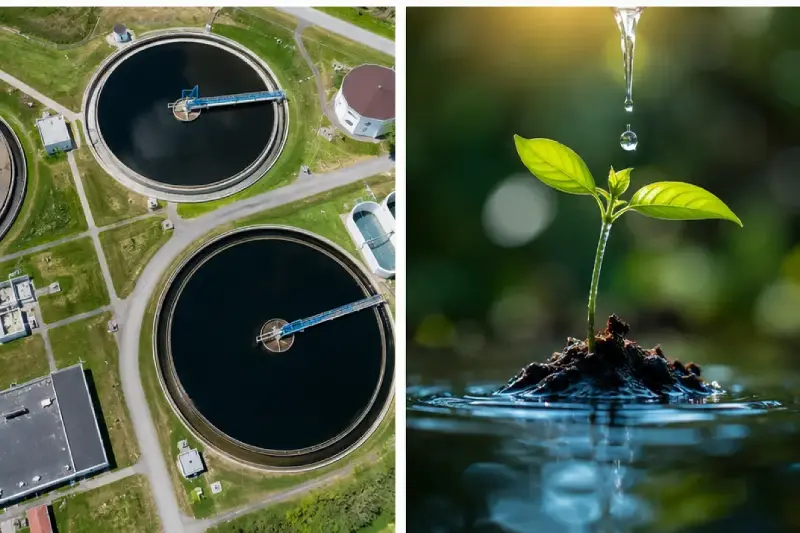
Across towns and cities, residents are using small areas beside houses, schools, barangay halls, and roads to create community gardens. These spaces may be modest, but their impact can be meaningful. A garden can provide fresh vegetables, reduce heat, improve air quality, and give people a calm place to meet. For many families, especially those living in crowded areas, even a small green corner can make the environment feel lighter and more welcoming.

Community gardening is also becoming a practical response to rising food costs. By growing vegetables such as pechay, kangkong, tomatoes, eggplants, and herbs, families can reduce small daily expenses. While a garden may not replace a full grocery list, it can help households add fresh food to their meals. It also teaches children where food comes from and why taking care of plants requires patience and responsibility.
In the Philippines, where strong community spirit is already part of everyday life, these projects often become more than just gardening activities. Neighbors share seeds, water plants together, exchange advice, and help maintain the area. Older residents may teach younger people traditional planting methods, while students may bring new ideas from school programs. This exchange creates stronger relationships between generations and encourages people to care not only for their own homes but also for shared spaces.
Green spaces can also support better mental well-being. Many people experience stress from traffic, work, school, and financial responsibilities. Spending time near plants, even for a few minutes, can help people feel calmer. A small garden can become a quiet break from noise and pressure. For children, it can be a safe place to observe insects, learn about nature, and play in a healthier environment.

Another benefit is cleaner surroundings. When empty lots or unused corners are turned into gardens, they are less likely to become dumping areas. Communities that take care of shared green spaces often become more aware of waste management. Some barangays combine gardening with clean-up drives, recycling programs, and composting. Food scraps, dried leaves, and other organic waste can be turned into compost instead of being thrown away. This supports the garden and reduces the amount of trash collected from households.
Of course, these projects also face challenges. Some communities struggle with limited space, lack of water, or inconsistent participation. During the dry season, plants need more care. In areas affected by flooding, gardens may need better drainage or raised planting beds. There may also be times when enthusiasm is strong at the beginning but becomes weaker after a few months. To keep projects alive, communities need clear responsibilities, simple schedules, and support from local leaders.

Schools can play an important role as well. When students participate in planting activities, they learn practical lessons about the environment, nutrition, and teamwork. School gardens can support classroom learning and encourage children to bring those habits home. Parents may become more involved when they see their children excited about growing something with their own hands.
Local businesses can also contribute by donating materials such as soil, pots, seeds, or tools. Even small support can help a community project continue. In return, businesses become part of a positive local effort and show that improving the environment is a shared responsibility.

The growing interest in greener communities shows that change does not always need to start from large programs. In many cases, it begins with ordinary people making small decisions: planting a tree, cleaning a corner, reusing containers as pots, or teaching a child how to water a seedling. These actions may look simple, but when many people take part, they can transform the feeling of an entire neighborhood.
For Filipino communities, creating greener spaces is not only about plants. It is about health, cooperation, resilience, and pride in one’s surroundings. A small garden can remind people that progress is not only measured by buildings and roads, but also by the quality of daily life. In a country known for strong family ties and bayanihan, these community efforts prove that even the smallest spaces can grow something meaningful.